.
We have left Texas! We moved to Spain on August 20 and are now living in Barcelona. So I'm closing this blog.
Goodbye!
Tuesday, October 04, 2016


Wednesday, July 13, 2016
Some Last Visits
.
Now that our move to Spain is approaching, Dee and I have been making what will probably be our last-ever visits to some of our favorite birding sites. We made one such visit to Sheldon Lake State Park last week.
It was a very hot day and birds were pretty scarce. However, the ponds were looking lovely, many covered in beautiful water lilies.


Green blue and red dragonflies were everywhere.


Half-a-dozen Little Blue Herons flew off too quickly for me to get photos, as did a Tricolored Heron and a Green Heron. Yellow-crowned Night Herons in several of the ponds were less skittish.

One of them was too involved in eating a crawdad it had caught to pay us much attention.

We've visited Sheldon dozens of times over the past 13 years and it's certainly going to be one of the wildlife sites that we miss most when we leave for Spain.
.
Now that our move to Spain is approaching, Dee and I have been making what will probably be our last-ever visits to some of our favorite birding sites. We made one such visit to Sheldon Lake State Park last week.
It was a very hot day and birds were pretty scarce. However, the ponds were looking lovely, many covered in beautiful water lilies.

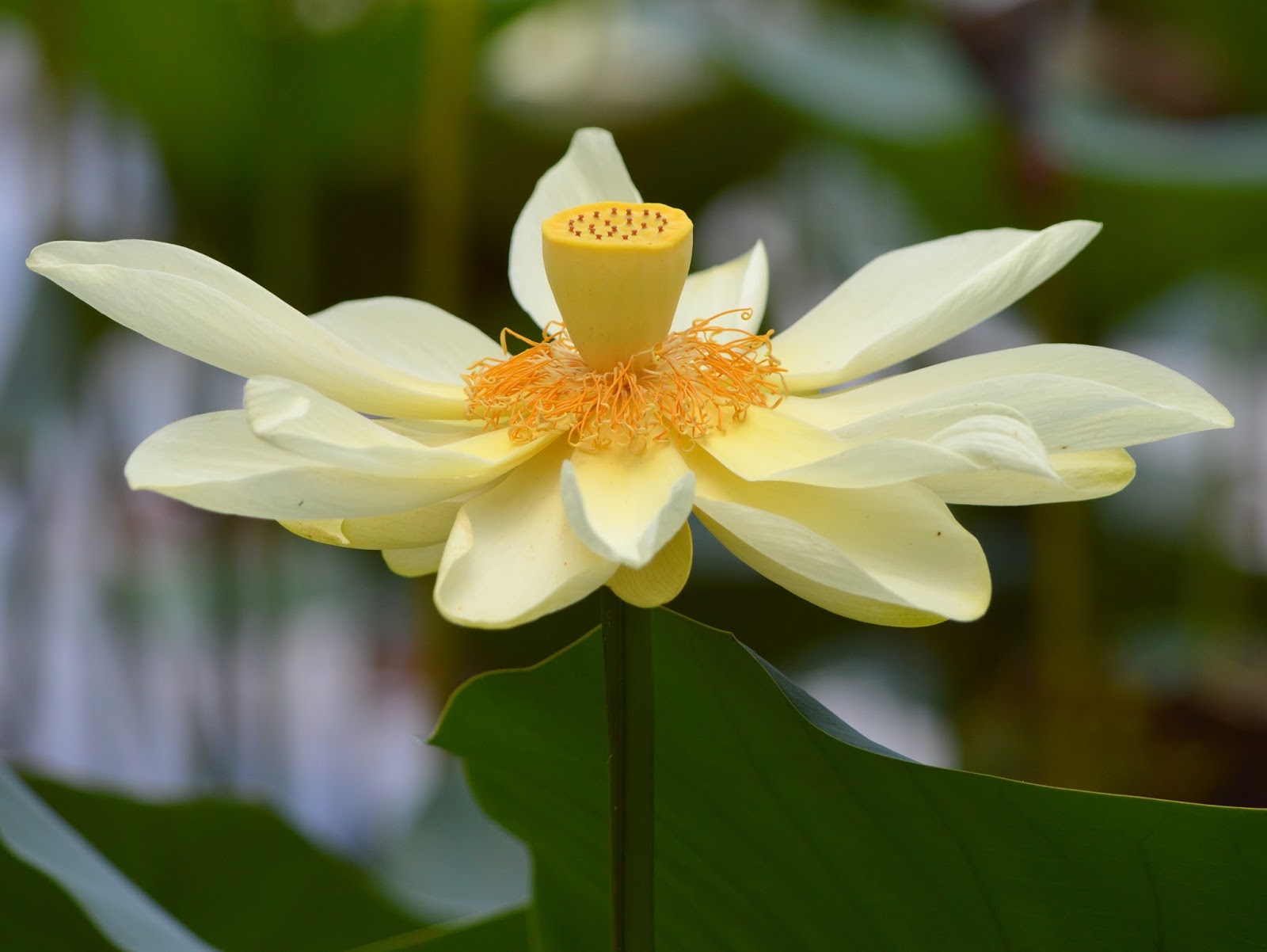

Green blue and red dragonflies were everywhere.


Half-a-dozen Little Blue Herons flew off too quickly for me to get photos, as did a Tricolored Heron and a Green Heron. Yellow-crowned Night Herons in several of the ponds were less skittish.

One of them was too involved in eating a crawdad it had caught to pay us much attention.

We've visited Sheldon dozens of times over the past 13 years and it's certainly going to be one of the wildlife sites that we miss most when we leave for Spain.
.
Saturday, May 21, 2016
Whistling Ducks
.
I haven't had any time for birding lately because we've been busy preparing our house for sale. However, on a recent visit to our doctor I managed to fit in a few minutes watching some Black-bellied Whistling Ducks preening behind the North Cypress Medical Center at Huffmeister and 290.
Preening starts off quietly with the careful re-arranging of a few ruffled feathers.


Then a quick splash to settle everything down.

Now it's time for some work on those harder-to-reach tail feathers.


This is followed by another quick splash.

Now it's time for the difficult part: Getting those wing feathers in order.


There always seems to be one area that requires extra effort.

Now a really good, long splash is called for.


And the end result is a perfectly groomed Whistling Duck.

.
I haven't had any time for birding lately because we've been busy preparing our house for sale. However, on a recent visit to our doctor I managed to fit in a few minutes watching some Black-bellied Whistling Ducks preening behind the North Cypress Medical Center at Huffmeister and 290.
Preening starts off quietly with the careful re-arranging of a few ruffled feathers.


Then a quick splash to settle everything down.

Now it's time for some work on those harder-to-reach tail feathers.


This is followed by another quick splash.

Now it's time for the difficult part: Getting those wing feathers in order.


There always seems to be one area that requires extra effort.

Now a really good, long splash is called for.


And the end result is a perfectly groomed Whistling Duck.

.
Monday, May 09, 2016
Migration nearer Home
.
Floods, work and preparations for selling our house have conspired to prevent us from doing another birding trip since our weekend visit to High Island, Bolivar and Galveston. So I've been restricted to occasional birding in our local area.
On a trip to apply for my first US passport I fitted in a half-hour of birding at Warren Ranch Lake, where the trees by the road had a few migrants.
Yellow-rumped Warblers were looking very spiffy in their breeding plumage.

An Eastern Wood-Pewee was flycatching from a branch.

Nearby I spotted my first Ruby-throated Hummingbird of the year.

Some days later we made a brief visit to the Edith L Moore Nature Center. Apart from a couple of Swainson's Thrushes, the only migrant we saw was this beautiful Black-and-White Warbler.


Early May is usually a good time for spotting migrants on the CyFair campus and this year was no exception. During my final days of work at the college a few short walks around the nature trail turned up a nice selection of birds.
There were two vireo species: Red-eyed and Warbling.


Baltimore Orioles appeared on several different days.

Two Summer Tanagers turned up several days apart.

The seven warbler species I saw included a couple of Chestnut-sided Warblers.


On several days Magnolia Warblers flitted around the trail.


American Redstarts also passed through on several days.

I was disappointed to see only one Rose-breasted Grosbeak, and that a female.

However, my disappointment disappeared when a male Rose-breasted Grosbeak decided to make use of the suet feeder in our front yard. That was a nice addition to our list of yard birds!

 .
.
Floods, work and preparations for selling our house have conspired to prevent us from doing another birding trip since our weekend visit to High Island, Bolivar and Galveston. So I've been restricted to occasional birding in our local area.
On a trip to apply for my first US passport I fitted in a half-hour of birding at Warren Ranch Lake, where the trees by the road had a few migrants.
Yellow-rumped Warblers were looking very spiffy in their breeding plumage.

An Eastern Wood-Pewee was flycatching from a branch.

Nearby I spotted my first Ruby-throated Hummingbird of the year.

Some days later we made a brief visit to the Edith L Moore Nature Center. Apart from a couple of Swainson's Thrushes, the only migrant we saw was this beautiful Black-and-White Warbler.


Early May is usually a good time for spotting migrants on the CyFair campus and this year was no exception. During my final days of work at the college a few short walks around the nature trail turned up a nice selection of birds.
There were two vireo species: Red-eyed and Warbling.


Baltimore Orioles appeared on several different days.

Two Summer Tanagers turned up several days apart.

The seven warbler species I saw included a couple of Chestnut-sided Warblers.


On several days Magnolia Warblers flitted around the trail.


American Redstarts also passed through on several days.

I was disappointed to see only one Rose-breasted Grosbeak, and that a female.

However, my disappointment disappeared when a male Rose-breasted Grosbeak decided to make use of the suet feeder in our front yard. That was a nice addition to our list of yard birds!


Sunday, May 01, 2016
Looking for Migrants (4)
.
After leaving High Island, we drove west along Bolivar Peninsula to catch the ferry to Galveston.
As usual, the Bolivar harbor was busy with Cormorants, Laughing Gulls, American White Pelicans and Brown Pelicans (below).

Apart from the usual hordes of Laughing Gulls, on this trip the ferry was followed by numbers of Royal Terns.

There were other terns also. At first I thought these were Forster's but then I noted their yellow-tipped bills and realized they were Sandwich Terns.


Once on Galveston, we did a quick drive along Sportsmens' Road. My first Reddish Egret of the year was too distant to photograph but a Great Egret and a Great Blue Heron were a little closer.


The roadside ditches were empty except for a couple of Willets and the only other bird we saw was a solitary White Ibis.


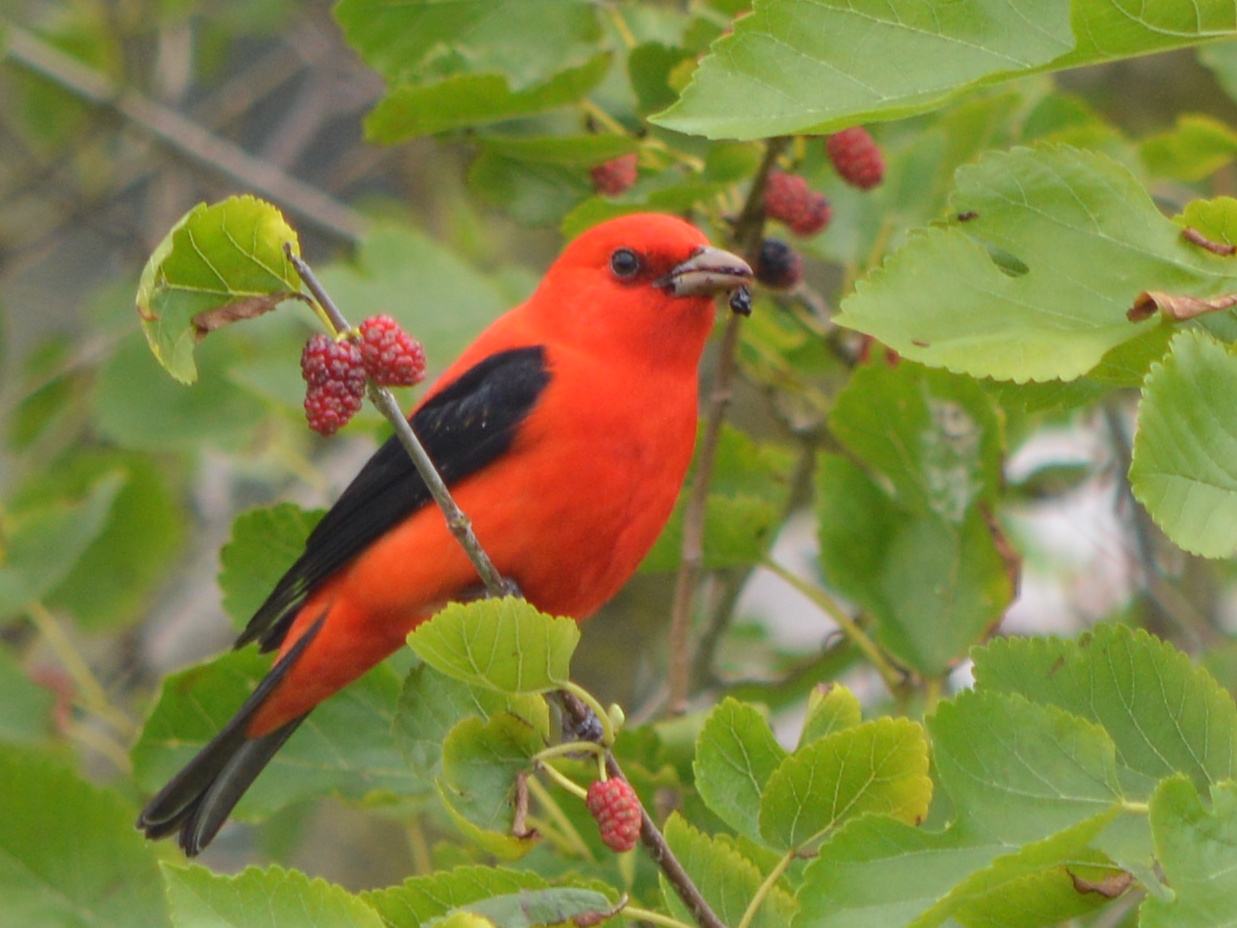
Although I had high hopes for Lafitte's Cove, it turned out to have only a few resident birds and even fewer migrants. In fact, the only migrants we spotted were a Gray Catbird, a Gray-cheeked Thrush and two Scalret Tanagers (below).

As this was our last birding stop, it meant that our trip ended with a whimper rather than a bang. We weren't too disappointed, though, because overall the trip had been quite productive: We had seen 90 species, of which almost half were new birds for the year.
.
After leaving High Island, we drove west along Bolivar Peninsula to catch the ferry to Galveston.
As usual, the Bolivar harbor was busy with Cormorants, Laughing Gulls, American White Pelicans and Brown Pelicans (below).

Apart from the usual hordes of Laughing Gulls, on this trip the ferry was followed by numbers of Royal Terns.

There were other terns also. At first I thought these were Forster's but then I noted their yellow-tipped bills and realized they were Sandwich Terns.


Once on Galveston, we did a quick drive along Sportsmens' Road. My first Reddish Egret of the year was too distant to photograph but a Great Egret and a Great Blue Heron were a little closer.


The roadside ditches were empty except for a couple of Willets and the only other bird we saw was a solitary White Ibis.


Although I had high hopes for Lafitte's Cove, it turned out to have only a few resident birds and even fewer migrants. In fact, the only migrants we spotted were a Gray Catbird, a Gray-cheeked Thrush and two Scalret Tanagers (below).
As this was our last birding stop, it meant that our trip ended with a whimper rather than a bang. We weren't too disappointed, though, because overall the trip had been quite productive: We had seen 90 species, of which almost half were new birds for the year.
.
Wednesday, April 27, 2016
Looking for Migrants (3)
.
Saturday morning we got to Boy Scout Woods in time for the morning birdwalk. Unfortunately, it was extremely quiet for birds. This Rose-breasted Grosbeak near the guides' house was the only migrant that we spotted.

We decided to check out the Smith Oaks rookery before heading home via Galveston.
The rookery was crowded with nesting Great Egrets. Most were standing guard over chicks.

A few were taking advantage of a quiet spell to do some preening.

One seemed to be having a difficult time with three boisterous chicks and had to administer a little discipline.


Elsewhere, some chicks were already large enough to be left unattended while their parents were off foraging.

A few Great Egrets appeared to be running late with this year's breeding and were still collecting nesting material.

The number of Roseate Spoonbills had grown since our previous visit and there were now many sitting on nests.

The number of Snowy Egrets had also increased a lot and most of those present were displaying in their beautiful breeding plumage.


The water between the observation decks and the rookery had a handful of American Coots, Blue-winged Teal and Common Gallinules (below).

Then just as we were leaving, Dee noticed a Purple Gallinule wandering along the water's edge. It was our first Purple Gallinule of the year and a good bird with which to say goodbye to High Island.

.
Saturday morning we got to Boy Scout Woods in time for the morning birdwalk. Unfortunately, it was extremely quiet for birds. This Rose-breasted Grosbeak near the guides' house was the only migrant that we spotted.

We decided to check out the Smith Oaks rookery before heading home via Galveston.
The rookery was crowded with nesting Great Egrets. Most were standing guard over chicks.

A few were taking advantage of a quiet spell to do some preening.
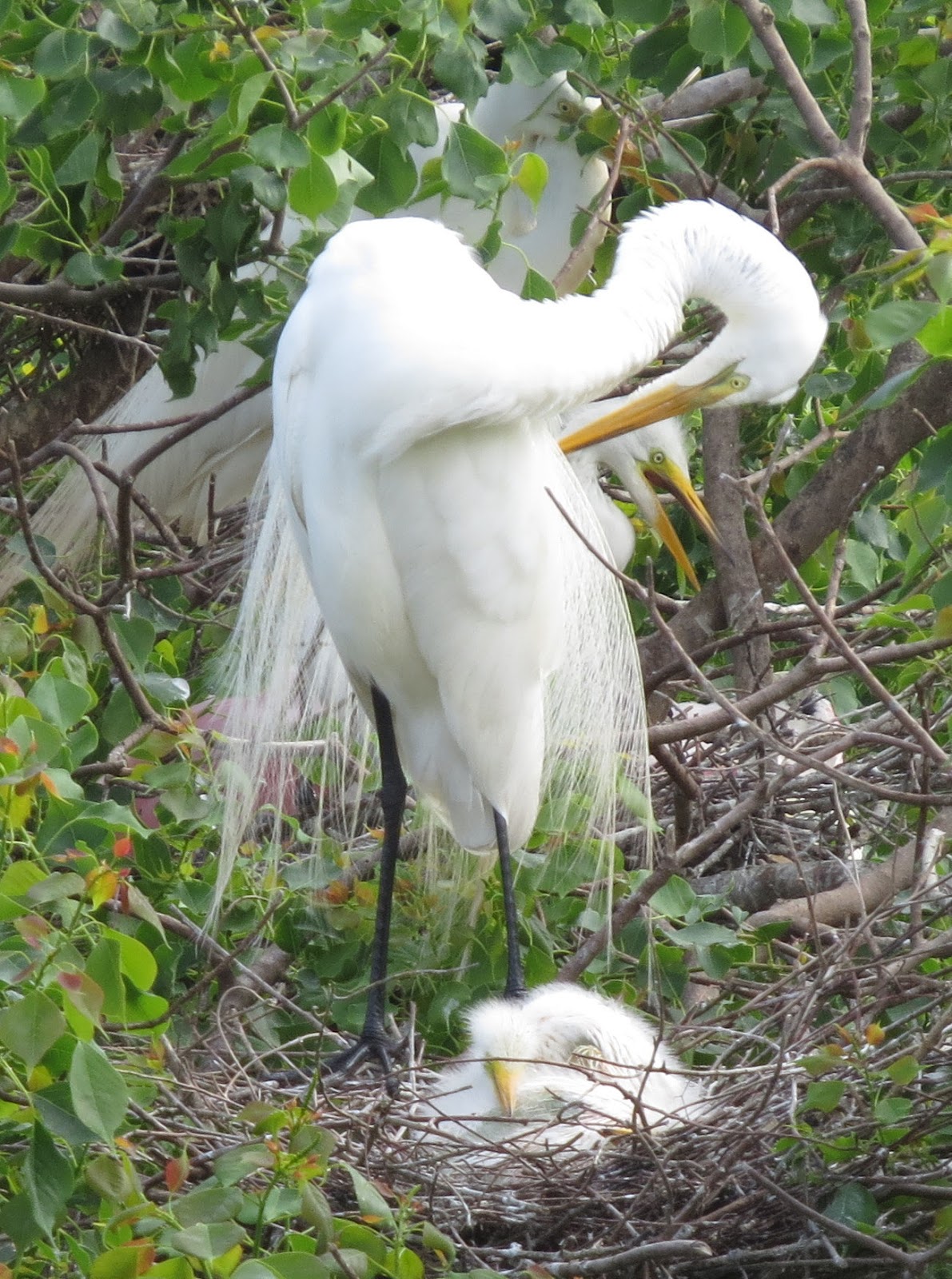
One seemed to be having a difficult time with three boisterous chicks and had to administer a little discipline.
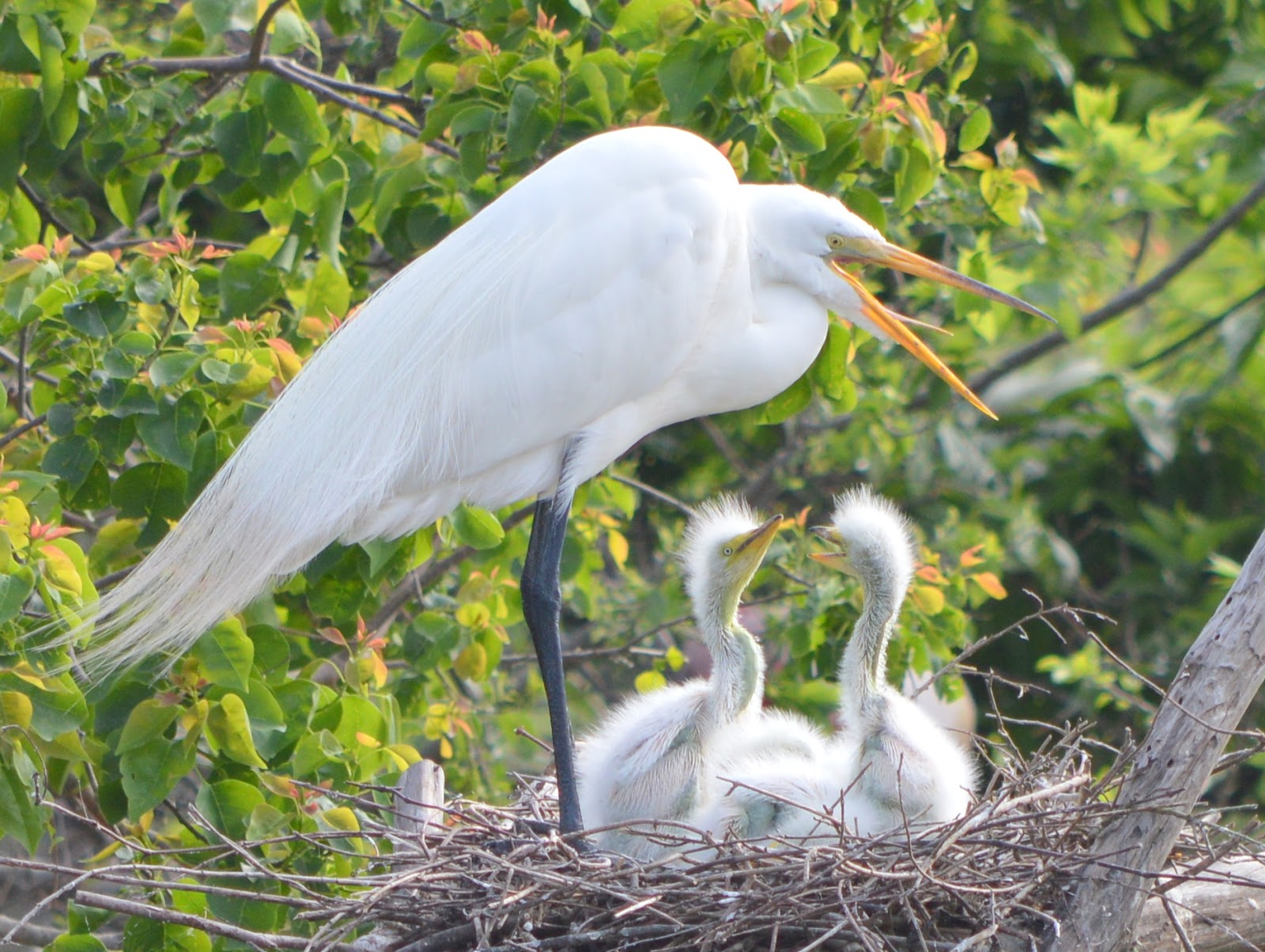

Elsewhere, some chicks were already large enough to be left unattended while their parents were off foraging.

A few Great Egrets appeared to be running late with this year's breeding and were still collecting nesting material.

The number of Roseate Spoonbills had grown since our previous visit and there were now many sitting on nests.

The number of Snowy Egrets had also increased a lot and most of those present were displaying in their beautiful breeding plumage.


The water between the observation decks and the rookery had a handful of American Coots, Blue-winged Teal and Common Gallinules (below).

Then just as we were leaving, Dee noticed a Purple Gallinule wandering along the water's edge. It was our first Purple Gallinule of the year and a good bird with which to say goodbye to High Island.

.
Subscribe to:
Posts (Atom)